HEALTH AND WELLNESS
Awareness Can’t Heal You—But It Can Help You Begin
Jakarta, Indonesia
Before you read this, take a deep breath. Inhale deeply—three times.
1… 2… 3…
You did great.
When the world moves too fast, we often forget to breathe. There’s always another task, another goal, another big thing we have to accomplish. Before we know it, our unprocessed feelings start piling up, heightening our anxiety and making us feel like we’re constantly running out of time.
Psychologist Ghianina Armand, M.Sc., M.Psi. notices this pattern in many of her clients. “Most people come to therapy with multiple issues—work, family matters, relationships—and they all feel equally urgent,” she shared. “I usually encourage clients to start with one issue that feels most disruptive. This helps them slow down a bit. Once one knot unravels, the others often follow. Trying to fix everything at once rarely works.”
Psychologist Ghianina Armand, M.Sc., M.Psi. from OURI Mind Care and Support
Psychologist Asaelia Aleeza, M.Sc., M.Psi., agrees. “The pressure to rush through everything only worsens anxiety, which ironically is why people seek therapy in the first place. We need to start with calming the body first before moving on to the mind. I often guide my clients through breathing sessions so they can think clearly and feel more grounded before tackling their worries.”
Psychologist Asaelia Aleeza, M.Sc., M.Psi. from OURI Mind Care and Support
Together, Ghianina and Asaelia recently opened OURI Mind Care and Support in Darmawangsa Square, South Jakarta, with the grand opening on October 31, 2025. The mental health practice is inspired by the Japanese concept Oubatori, which reminds us that everyone blooms in their own time. OURI embraces this idea as a reflection of emotional growth: that healing is non-linear, that discomfort can be part of transformation, and that each person deserves space to unfold at their own pace.
OURI Mind Care and Support Grand Opening on October 31, 2025
Grounded in evidence-based assessment and treatment, OURI aims to be a safe, warm, and welcoming space for children, young adults, and families navigating their mental well-being. The two psychologists felt a calling to contribute to the growing mental health movement in Indonesia. After completing their studies in the United States and the United Kingdom, they decided to open their own therapy practice in Jakarta—believing they could apply the techniques and research they had learned abroad to the unique cultural context of their home country.
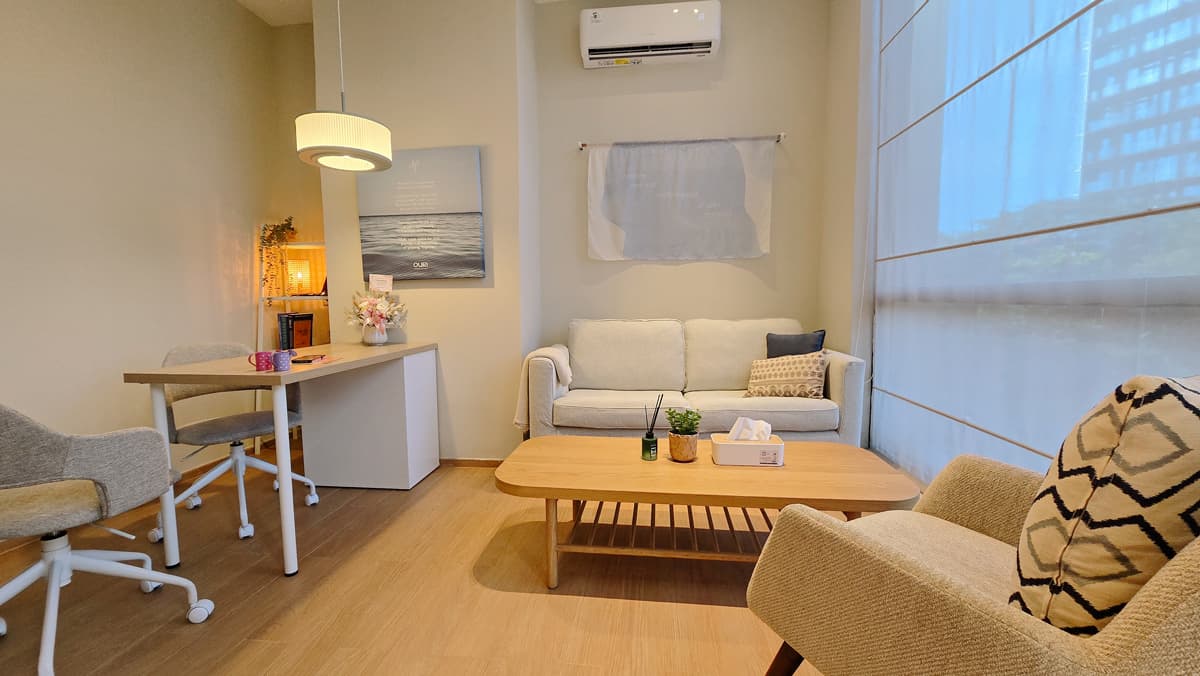
OURI Family Consultation Room
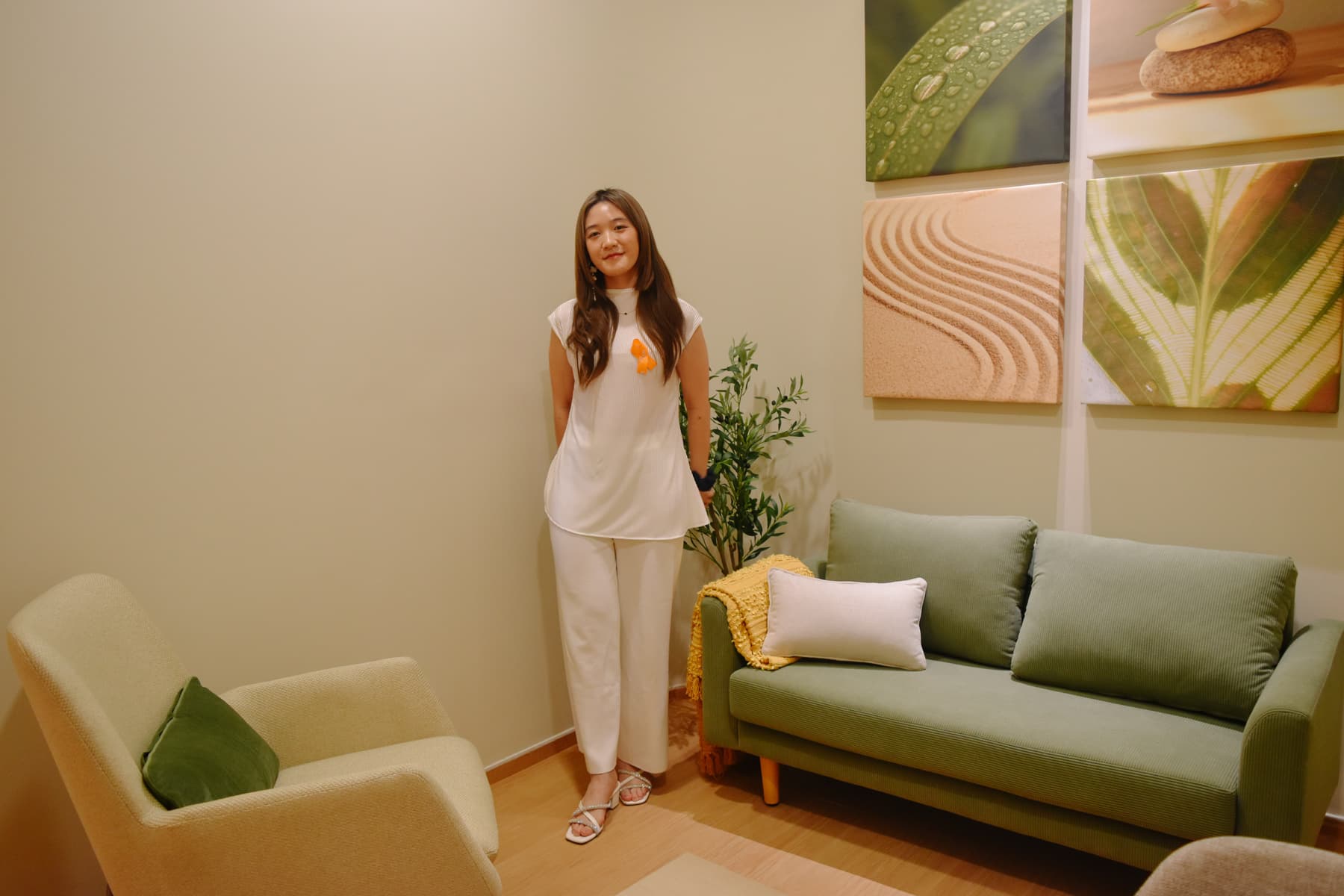
OURI Consultation Room
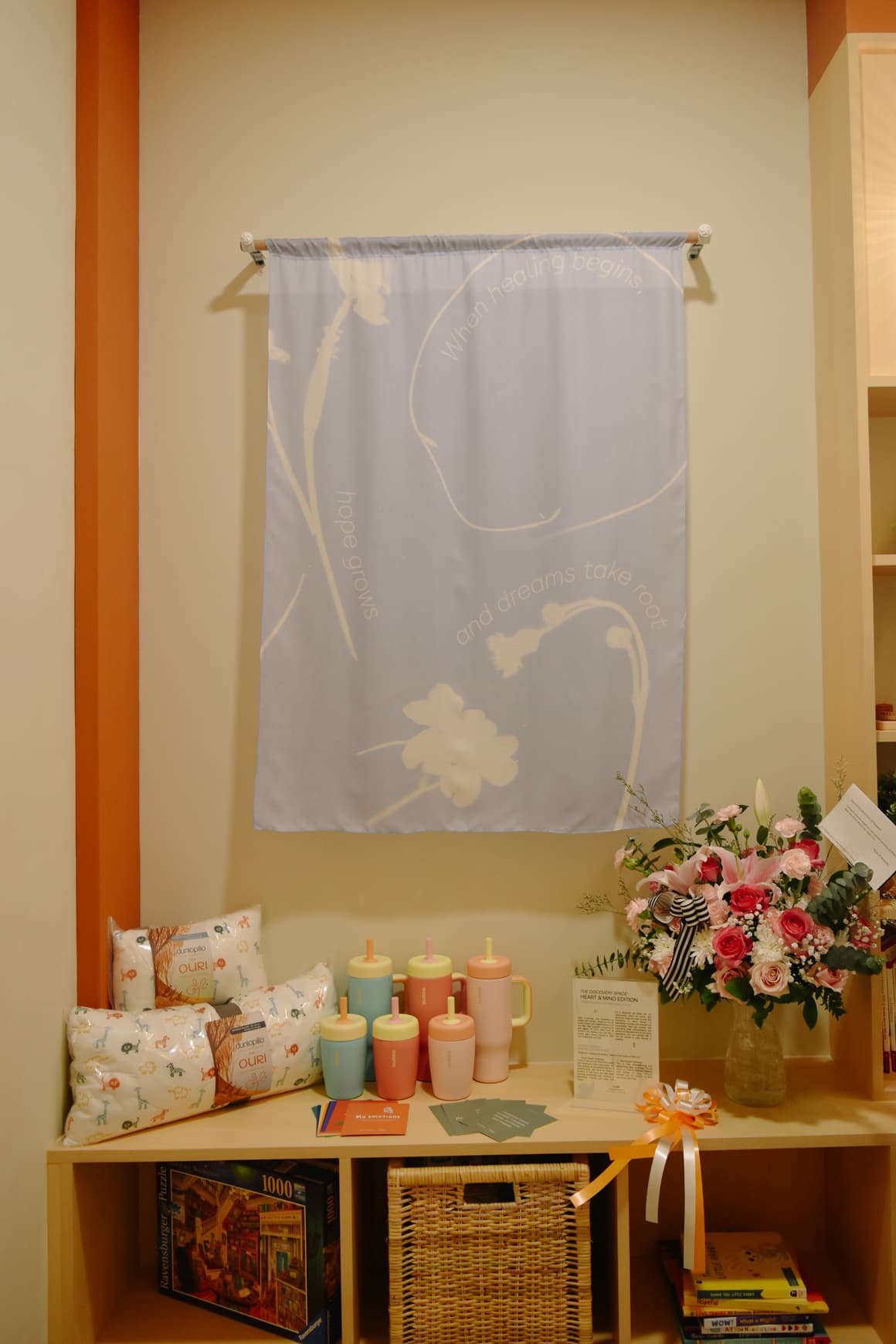
A corner in OURI's entrance way
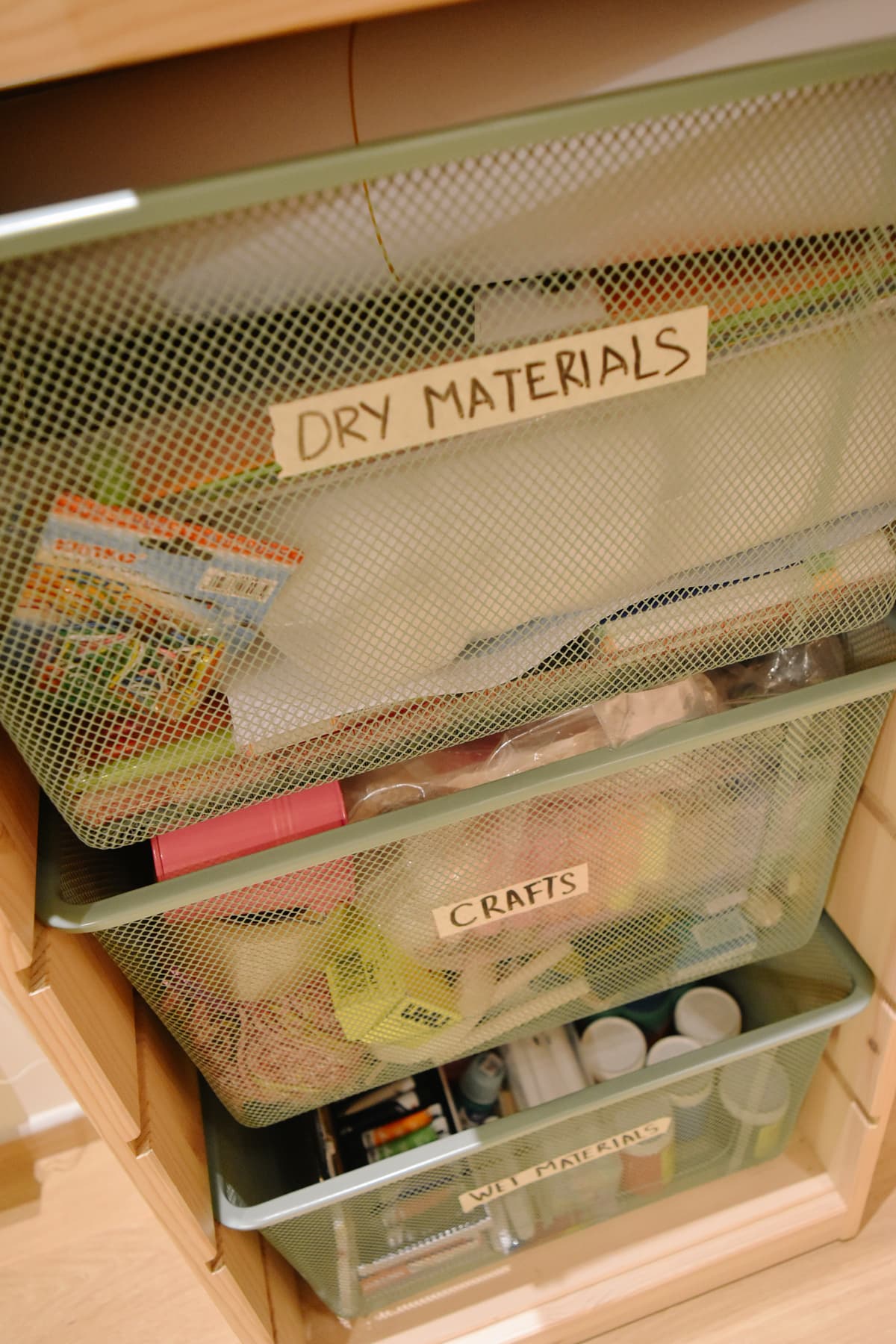
Arts and crafts material for activities with kids
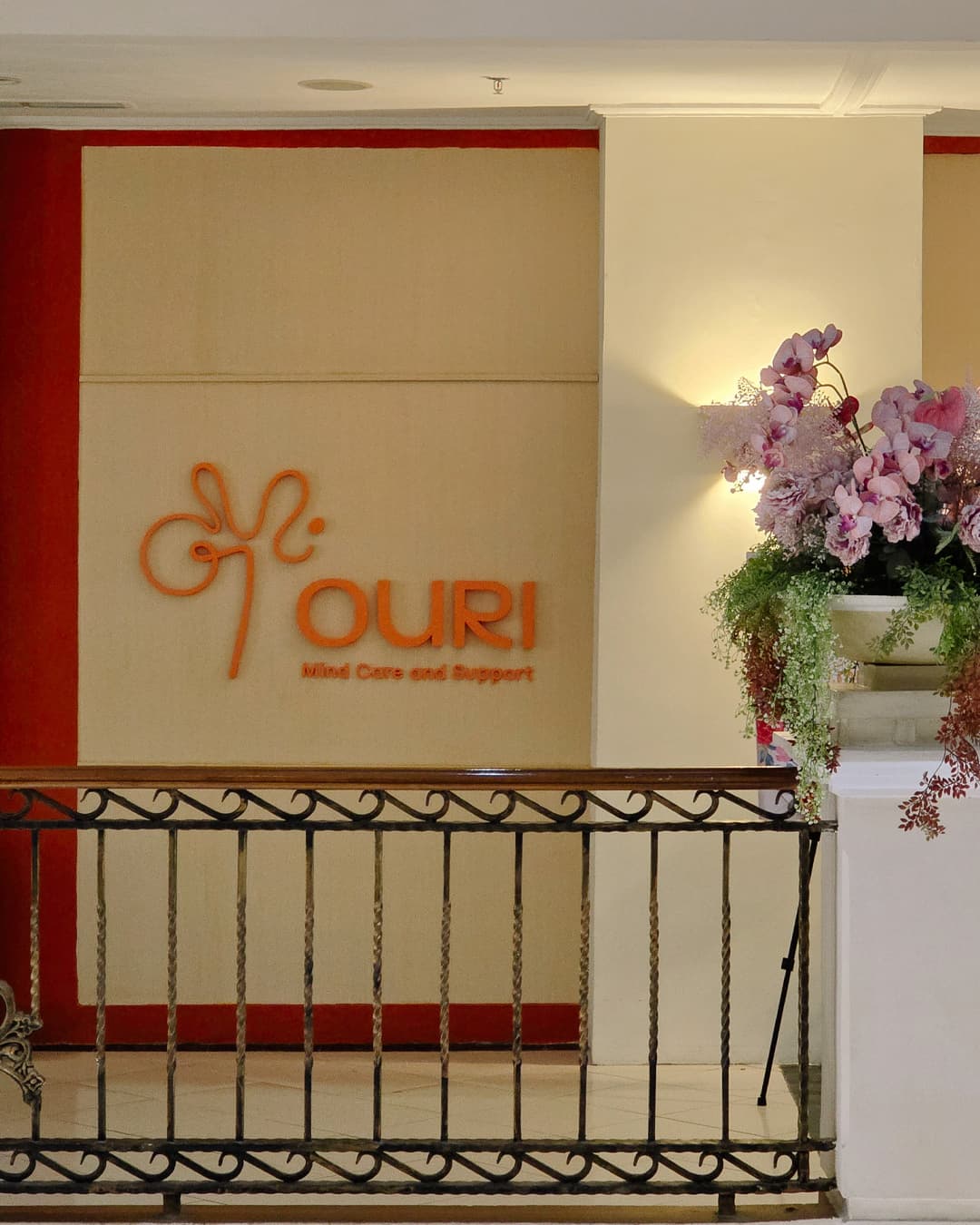
OURI Mind Care and Support at Dharmawangsa Square, South Jakarta
Across Southeast Asia, conversations around mental health have grown louder, especially since people were forced to sit with their thoughts for the first time in forever during the pandemic. At some point, the idea of therapy isn’t as taboo as it used to be. The rise of online education and social media advocacy has also made people more aware, but the challenge often starts after that.
“Once people start learning about mental health, they begin to recognize their own patterns: unresolved trauma, emotional triggers, and parenting styles that shaped them over the years,” Asaelia explained. “The next challenge is self-regulation. Many young adults today come to therapy because they’re self-aware enough to know that something feels off. They notice changes, like sleep problems or appetite shifts, and want to understand what’s going on. Therapy helps them make sense of that.” More and more people are no longer afraid of the intimidating stigma around therapy, choosing instead to come on their own to address their concerns.
Still, perception differs across generations. While some parents are open-minded, many only bring their teenagers to therapy once things have escalated—sometimes after signs of self-harm. “But we’re seeing a positive shift,” said Ghianina. “A lot of millennial parents are bringing their children in not because of problems, but to understand them better. We often recommend psychological assessments to identify a child’s strengths and interests early on.”
With more accessible information and growing openness, the hope is for therapy to become a normal part of self-care. “Stress isn’t always bad,” Asaelia added. “But when it starts to disrupt your daily life—like when you can’t focus or stay productive—it might be time to seek professional help.”
At OURI, five therapists are available for everyone from children to young adults, including a certified art therapist who uses creative approaches to help clients explore emotions and foster self-understanding. Everyone has their season, and you can heal in your own time, as growth is a lifelong process.
Learn more about OURI Mind Care and Support at ouri-mindcare.com.